
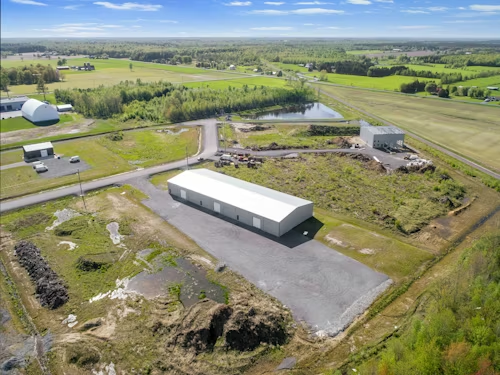
My hands still smell like grinding dust and cheap coffee. Just walked off a job site near Calgary. Cold wind howling. Mud everywhere. I’ve spent 15 years breathing in this exact mix of dirt and diesel. Over a decade slapping steel together. I know metal buildings better than I know my own trucks. Bad joke. But true.
The market right now? An absolute mess. Too many slick salesmen selling garbage steel to folks who don’t know any better. I’m tired of seeing good people get ripped off. Sit down. Grab a coffee. Let me tell you how this industry actually works.
Stop Buying Cheap Junk From Fast-Talkers
Here’s the thing. You want a shop. Or a barn. You search online. Five minutes later, a guy named Chad calls you about his “weekend specials.” Hang up the phone. Run away.
These guys ship thin-gauge garbage wrapped in cheap plastic. You open the kit. Half the bolts are missing. The steel bends if you look at it wrong. Try surviving a winter up here with that. Heavy snow loads crush cheap roofs. Violent winds make your teeth chatter. Canadian metal buildings take an absolute beating. I’ve seen discount kits cave in by January. Heard the groaning metal just before the collapse. Sounds like a dying whale. Terrifying.
What I Look For In Good Steel
I demand thick, heavy iron. Period. No compromises.
You want red-iron steel. I framed up a massive warehouse out in British Columbia last spring. Pouring rain. Mud up to my knees. We were building metal buildings bc style—tough, rugged, built to handle the heavy coastal dampness. The beams were heavy. My back still aches thinking about it. But that frame? It will stand for a century. It feels solid. Grounded. A cheap kit shudders in the wind. A real building just sits there, laughing at the storm.
The Secret to a True Professional Build
Don’t do this yourself. Trust me.
People think they can grab a buddy, a case of beer, and throw up a 40×60 shop over the weekend. Delusional. Absolute fantasy. I’ve had to rescue these DIY disasters. Misshaped base plates. Unlevel concrete. Walls leaning like a drunk sailor. It costs twice as much to fix a botched job than to hire a professional crew from day one. Do it right the first time.
Find a Crew That Smells Like Work
Look at your contractor’s hands. Are they soft? Fire him.
A real crew shows up early. They bring the right cranes. They read the blueprints without squinting at an iPad. Anyway. If you want a name you can actually trust, look into Zentner Steel Buildings. They don’t play games. They ship real steel. I’ve worked with their stuff. It goes together clean. No missing parts. No weird bolt alignments that make you throw your wrench across the yard.
Insulation Matters Up North
Cold steel sweats. Condensation drips on your tools. Ruins everything.
You need vapor barriers. Thick insulation. Don’t cheap out on the spray foam. I remember a job where the owner cut corners. Walked inside his shop in December. Felt like a meat locker. Ice crystals forming on the ceiling. Brutal mistake.
Concrete: The Dirty Forgotten Nightmare
Everyone talks about the steel. Nobody talks about the dirt.
If your concrete is trash, your building is trash. Simple math. I spent three weeks fixing a job where a so-called contractor poured the slab on uncompacted clay. The ground settled. The slab cracked. A jagged, ugly fault line ran right down the middle of a beautiful shop. You know what happens to a rigid steel frame when the concrete shifts? Bolts shear off. They sound like gunshots snapping in the night. Dig deep. Bring in good gravel. Compact it until the ground feels like a highway.
Fasteners Make or Break the Job
Screws. Hundreds of thousands of screws.
Buy cheap ones, the rubber washers dry out in the sun. Three years later? Your roof leaks. Water drips directly onto your expensive welder. Buy premium self-tapping screws with oversized neoprene washers. Your thumbs will go numb installing them. But they hold tight.
Why I Hate Gutters on Cheap Kits
Flimsy tin. The ice rips them right off.
Get commercial grade gutters. Otherwise, let the water fall. Just grade the dirt away from your walls.
The Roll-Up Door Trap You Will Fall For
Roll-up doors. Everyone wants massive doors.
But wait. Did you calculate the wind load? I installed a 20-foot wide door on a barn. The owner wanted to save cash. Bought a flimsy gauge. The next week, a gale blew through. The wind caught that door like a sail. Ripped it completely off the tracks. Metal screeching, folding like aluminum foil. Terrible sound. It cost him triple to replace it with a heavy-duty commercial door.
Ventilation Keeps You Breathing
Don’t build a sweatbox.
Steel traps heat. It traps fumes. If you weld in a sealed box, you’ll choke. I’ve choked before. Tastes like burning copper. Put in ridge vents. Install massive exhaust fans. Move the air.
My Final Rant Before I Go Wash Up Fast
I’m tired. My boots weigh ten pounds each from the mud.
Buying steel isn’t a game. It’s an investment in your property. Your livelihood. Don’t fall for the late-night sales pitches. Buy heavy iron. Hire guys with calluses on their hands. Pour good concrete. If you follow my advice, you’ll get a shop that outlasts you. If you don’t? Well, don’t call me to fix it. Because cheap metal buildings aren’t worth my time to salvage. Good luck out there.
Frequently Asked Questions About Steel
1. How much do steel buildings actually cost right now? Prices bounce around daily based on global steel rates. Expect to pay between $25 and $40 per square foot for the kit alone. Concrete and erection labor will double that number. Stop looking for exact prices online. Get a real quote.
2. Can I build a steel building myself to save money? No. Stop thinking about it. Unless you own a crane, a telehandler, and have a crew of five experienced ironworkers, you will ruin the steel. Hire an experienced crew.
3. Do I really need to insulate my shop if I just park tractors inside? Yes. Bare steel creates condensation when the temperature shifts. The roof will drip water directly onto your expensive tractors. Put at least a two-inch vapor barrier on the roof to stop the sweating.
4. How long does the actual construction take? Once the concrete cures, a good crew can stand up a 40×60 frame and sheet it in about ten to fourteen days. The delays happen before that. Getting permits and waiting for the factory to ship the steel takes months.
5. What type of foundation works best? A floating monolithic slab works for small shops. Large buildings need deep concrete piers and a perimeter frost wall. Never build on topsoil. Strip it down to hard clay and build back up with compacted gravel.
GET A NO-NONSENSE QUOTE FROM ZENTNER STEEL TODAY